Table of Contents
Considering that the development of these sort of programs, there has actually been substantial growth in the study surrounding the effectiveness of outside and wild therapy. Supporters of these programs are aiming to develop a concrete foundation of empirical evidence for its efficiency. In the hectic hustle and bustle of day-to-day life, there is little time for self-questioning or self-reflection.
According to Redcliff Climb, Russell found that: Over 80% of parents contacted perceived wilderness therapy as reliable. 83% of adolescents were doing much better. Of the 83%, 58% were doing well or really well. 17% were still "struggling."Over 90% of adolescents spoken to viewed wilderness therapy as reliable. Participants were additionally succeeding in college.
Patient Evaluation for Psychedelic Therapy
7% finished from high college, yet were living in the house and "not doing anything."6% had not graduated from secondary school, were living in your home, and working or "doing nothing."1 participant remained in prison. A majority reported that household interaction had improved. Many wild therapy programs follow these three phases: The cleansing phase is the primary step to entering a wild treatment program.
In certain programs, this stage could include a physical conditioning regimen or a diet plan. The therapy staff typically steps back throughout this phase to allow individuals have time to get used to wilderness living. This phase is type of an ease-in to the major phase of the program. This is the main part of the treatment, where clients learn accountability for their actions through peer interaction and natural consequences.
Evaluation Methods for Psychedelic Therapy
This experience additionally aids educate them that self-care and personal responsibility are essential for their wellbeing. Each activity or chore has direct effects if not performed. For instance, if they do not desire to make a fire, they will be cool and incapable to prepare hot meals. This teaches participants that their actions have consequences to themselves and others outside of therapy.
Each one has its very own means of doing things, so if you have an interest in participating or having actually an enjoyed one take part, you will certainly wish to do some comprehensive research. Excellent programs will have: A clearly-defined, risk-free functional framework in placeTrained, certified, and extremely certified team and appropriate equipment to fulfill your needsA personnel that acts in conformity with state regulationsA deep understanding of the psychological health issue or problems you or an enjoyed one are looking for treatment for.
Plus, the evidence we've seen coming out of recent research studies reveals that these programs can be actually, really life-altering! If you want this type of therapy, do a Google search and see if they have possibilities in your location. They are becoming increasingly more preferred, so you are bound to find one that matches your requirements.
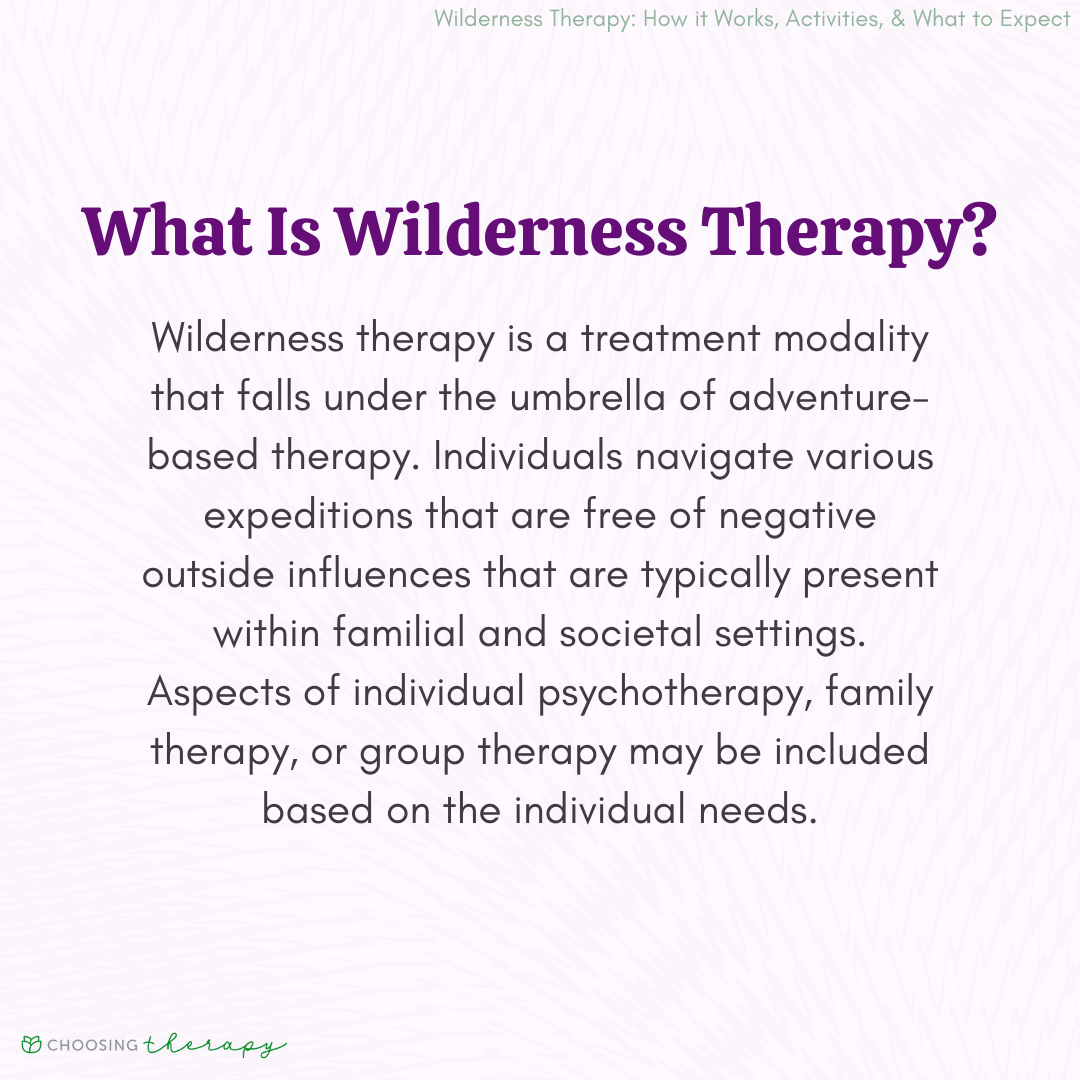
When it comes to helping distressed teenagers, wild treatment has become a special and reliable strategy. This area aims to provide a clear understanding of what wilderness treatment is and how it aids teenagers in requirement. Wild therapy is an outdoor-based therapeutic intervention created for young adults encountering various emotional and behavior challenges.
Psilocybin Therapy for PTSD
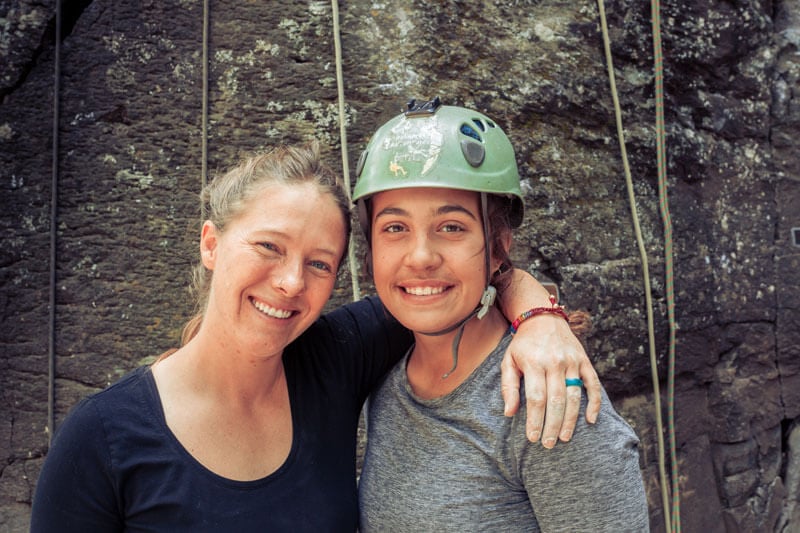
Here are some methods in which wild therapy can profit teenagers: The wild environment supplies a break from the interruptions and stressors of everyday life. Remaining in nature has a relaxing effect on the mind and allows teenagers to acquire perspective, decrease stress and anxiety, and create a much deeper feeling of self-awareness.
Through involving in exterior tasks and getting rid of obstacles, teens develop durability, self-esteem, and a sense of achievement. The close-knit therapeutic neighborhood created in wild therapy produces a safe and supportive setting for teenagers to explore their emotions and establish healthy partnerships. The existence of trained therapists allows teenagers to get individualized interest and advice throughout the process.
Indigenous Wisdom for Psilocybin-Assisted Psychotherapy

These skills are transferable to their lives beyond therapy and can contribute to long-term success. By immersing distressed young adults in a wild atmosphere and utilizing restorative methods, wilderness treatment provides an unique and effective method to assisting teens conquer challenges and achieve personal growth. It supplies a possibility for self-reflection, skill development, and the building of healthy and balanced relationships within a helpful neighborhood.
Allow's explore the effectiveness of wild treatment and uncover some common misconceptions and truths surrounding this approach. Wild therapy has acquired recognition for its capacity to assist struggling teens in a distinct and transformative method. Research researches have shown appealing results, indicating the effectiveness of this restorative technique. Right here are some essential findings: These studies highlight the positive impact that wild treatment can have on teens, giving them with a chance for personal growth and advancement.
Auditory Support at Psilocybin-Assisted Psychotherapy
Let's uncover the reality behind these usual misconceptions: Wild therapy is simply a type of penalty. Wild treatment is not regarding punishment, yet instead a therapeutic intervention developed to assist teens get over difficulties and establish abilities for a successful future. It provides an encouraging and structured atmosphere where teens can show, discover, and expand.
Wild treatment offers a special possibility for young adults to take part in self-reflection, self-discovery, and individual development. Via various tasks and difficulties in the wild, teenagers are motivated to get out of their comfort areas and confront their anxieties and instabilities. This procedure fosters a much deeper understanding of themselves, their emotions, and their behaviors.
When taking into consideration wilderness therapy as an option for struggling teens, it's vital to take right into account different elements to ensure its viability and effectiveness.
Patient-Therapist Bond in Psychedelic Work
While wild therapy can be effective for an array of problems such as drug abuse, depression, stress and anxiety, and behavioral problems, it may not appropriate for those with severe mental health and wellness problems that require intensive psychiatric treatment. To figure out suitability, it is advised to talk to professionals such as specialists, therapists, or medical specialists that can review the teenager's scenario and give guidance.

Navigation
Latest Posts
Credentials That Matter in LGBTQIA+ Therapy
Individual Sessions: Why It Works
Identifying Masking in Autistic Assessment